Link to Program. The TIG page
Link to Program. The TIG page

This is a link to the film and lots of photos (in high resolution) you can download and enjoy (opens in new tab). Below you can see some examples – there are many great pictures!
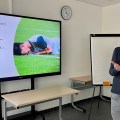
The TIG SEN had a very interesting visit at the Taalschool. A school specialised in education for children who don’t speak Dutch. A very good school that offers education based on the principles of the research of our Keynote speaker, Joanna… Read More ›
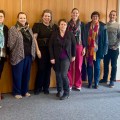
This year our TIG consisted of 18 participants from 10 different countries. Three participants contributed online, as an experiment. Some participants presented and told about the way children with special needs are handled in their country, others reported about ways… Read More ›

This post will be updated with more material from the presentations. Link to the program SEN

I have promised Chiara, a student with special needs, who took part in the SEN TIG, to help her having this add posted on the journal and FB-group, with an advice to share it to everybody who may (know someone… Read More ›

Inclusive education, especially in primary school, mostly focuses on the inclusion of students with disabilities. A small working group of inclusion educators from the KPH Vienna/Krems has now set itself the goal of opening up teacher training (and here specifically… Read More ›

Key wordsInclusion, special educational needs, trainee teachers, autism, collaboration. AbstractSuccessful inclusion of students with autism in mainstream schools means a degree of challenge for trainee teachers which may require additional supports (Crossland and Dunlap, 2012). Therefore, there is a need… Read More ›
 ETEN Journal