
Recent Posts - page 50
-
Invitation COIL Copenhagen!
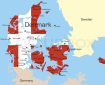
Dear ETEN friends I hope you are all good and safe. Everything is fine in Denmark, slowly opening and getting back to almost normal Thank you for this initiative, it has been in my mind since our ECO and TIG-leader… Read More ›
-
Letter from the president!

Dear ETEN colleagues and friends, Most of us is now facing the end of a rather spectacular and challenging semester. We now deserve a good rest to recharge the batteries. Thank you for the good and active participation in the… Read More ›
-
See you in Esbjerg 2021

The conference 2020 was cancelled, but we´re all very happy to meet next year in Esbjerg! Read all about it here in the presentation from international coordinator of Teacher Education Brigitte Lund and head of internationalization Mette Ernlund.
-
Theme May: #distancelearning
Fun activites for class Zooms! Add an idea, tsk an idea! https://t.co/bClkSRoH8Q Thanks to @barbsaka #remotelearning #edchat #onlineteaching #distancelearning — 𝙎𝙝𝙚𝙡𝙡𝙮 𝙎𝙖𝙣𝙘𝙝𝙚𝙯 💡 (@ShellTerrell) April 27, 2020 We invite you to share experiences of distance learning! Please link under comments… Read More ›
-
How can we develop etenjournal.com?
During the assembly meeting on the 23 of April Mats O. and Michel H. presented some of the ideas about the new plattform. The participants answered a questionnaire and we´d like to share and discuss the results here. The form… Read More ›
-
The conference is cancelled – more information
Letter from Mats Johnsson (president of Eten) Malmö 2020 03 24 Dear all, I hope you are all well. We are all worried and full of questions these days, and we face a lot of new chellenges in our daily… Read More ›
-
The previous message – please read the latest information!
Important information regarding the ETEN Conference 23-25 April 2020 in Esbjerg – this information is old. Please read the new! Dear all, We are all concerned about the Coronavirus situation. Many national and institutional bodies have imposed travel bans on… Read More ›
-
Protected: For TIG-leaders and ECO:s 23/4 2020 – password protected
There is no excerpt because this is a protected post.
Featured Categories
Articles - JETEN ›
-
CEFR Implementation: Adapting to Learner Characteristics – by Judith Golan Ben-Uri
4 November, 2025
-
Research Processes for Developing Social Awareness and Cultural Identity among teacher education students from East Jerusalem – by Helen Kakounda Muallem
30 September, 2025
-
The Imperative of Inclusive Leadership for Excellent Teaching and Learning: A Needs Analysis for Dutch Primary, Secondary, and Higher Education – by Michel Hogenes
4 March, 2025
-
Students’ connection to nature and culturally responsive teaching in early years teacher education – by Elly Herikstad Tuset, Ida Margrethe Uggerud, Anikke Hagen and Anne Kristine Byhring
20 December, 2024
-
Exploring challenges in COIL: an analysis of students’ buy-in – by Monica Skaten and Thor Erik Sortland
14 July, 2024
-
Effects of Socio-economic related Mathematical Learner Identity on student Performance in Mathematics among Secondary Schools in Kilifi County Kenya – by Mweni Tsofa Nickson, Marguerite M. O’Connor and Maundu John Nyamai
26 March, 2024

